
British Columbia’s child care system in 2026 operates as a public service model built on affordability programs, space creation, professional training, licensing regulation, and family support. It integrates public funding, regulated pricing, and subsidy frameworks into one coordinated system for families and providers.
British Columbia’s child care system works best when you treat it as one connected path: family health + provider training + licensing standards + financial support. This text combines the most useful points from two public guides – “How to Claim Child Care Subsidy” and “babys best chance” – and turns them into a single, practical overview for 2026.
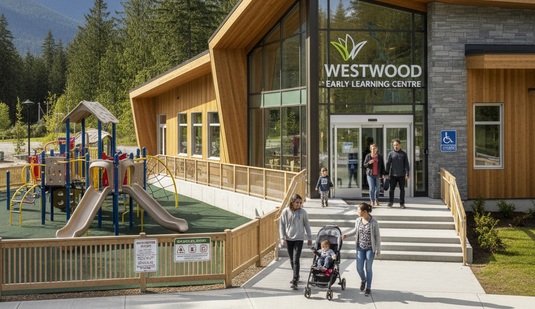
British Columbia’s Child Care System (2025-2026): Funding, Access, and Scale
By 2025-2026, British Columbia’s child care system is operating as a large-scale public infrastructure program, not a small social service sector. It combines direct operating funding, family subsidies, space creation, and affordability programs into a single policy framework designed to stabilize access, workforce participation, and long-term capacity.
The system now functions across three core layers: affordability, space creation, and operational sustainability – supported by targeted equity-based investments.
System-Wide Investment and Affordability Programs (2024-25 Baseline)
BC’s modern child care model is anchored in publicly funded affordability and operating programs:
$10 a Day ChildCareBC (2024-25)
- 300+ facilities participating
- 15,300+ spaces
- Maximum parent fee: $200/month per child
- Total public investment: $215.9 million
This program establishes a fixed affordability ceiling, creating cost predictability for families and long-term operational stability for providers.
Child Care Fee Reduction Initiative – CCFRI (2024-25)
- 5,300+ facilities (96% sector uptake)
- 140,500+ spaces (97% sector coverage)
- Family savings: up to $900/month per child
- Total public investment: $754.2 million
CCFRI functions as the system’s largest affordability mechanism, reducing parent fees across licensed care settings at scale rather than through individual subsidy claims alone.
Affordable Child Care Benefit – ACCB (2024-25)
- 27,700+ families supported
- 35,000+ children supported
- Family savings: up to $1,250/month
- Total public investment: $134.4 million
ACCB remains the targeted income-based support mechanism, layered on top of fee-reduction systems for lower-income households, and forms part of the wider BC daycare subsidy framework.
Equity-Based and Distinctions-Based Investments
BC’s system also includes targeted funding streams focused on Indigenous and distinctions-based access:
Aboriginal Head Start (2024-25)
- 570 new spaces created
- 2,000 total spaces province-wide
- Total investment: $73.6 million
This program focuses on culturally grounded early learning, language, and community-based delivery models.
MNBC Space Creation (2024-25)
- 48 new spaces
- Total investment: $634,000
This reflects targeted space development through Métis governance structures.
What These Numbers Show Structurally
By 2025-2026, BC’s child care system is no longer operating as fragmented programs – it functions as an integrated funding architecture:
- Affordability layer: fee caps + fee reductions + income-based benefits
- Access layer: space creation + expansion funding
- Equity layer: Indigenous and distinctions-based programming
- Stability layer: operating funding instead of purely parent-fee models
This changes the economic model of child care from parent-paid service to public service delivery with regulated pricing, similar to education and health systems.
2026 Direction of the System
Without speculation, the current structure already signals clear policy direction:
- continued expansion of $10/day models
- increased fee-reduction coverage
- system-wide affordability standardization
- public funding replacing private pricing models
- regulated growth rather than market-driven growth
- targeted equity funding rather than generic expansion
- integrated planning across education, labour, and social policy
By 2025-2026, child care in British Columbia is operating as a publicly structured service system, not a loose collection of private providers and subsidies. Funding flows through affordability programs, operating supports, and space creation, creating a regulated, scalable, and policy-driven model designed for long-term stability rather than short-term fixes.
Why This Matters (For Parents and Providers)
Parents want safe care that fits real work schedules and budgets. Providers want clear rules, clean paperwork, and predictable payments. The good news is that BC’s system already has the pieces – what’s hard is seeing how they connect. Subsidy rules link directly to licensing and attendance records. Family health guidance links directly to what quality care looks like day-to-day. Families typically start access through official child care subsidy contact services, using a verified child care subsidy phone number, a provincial child care subsidy BC contact, or a direct child care subsidy contact phone number channel that supports access to the child care subsidy BC system.
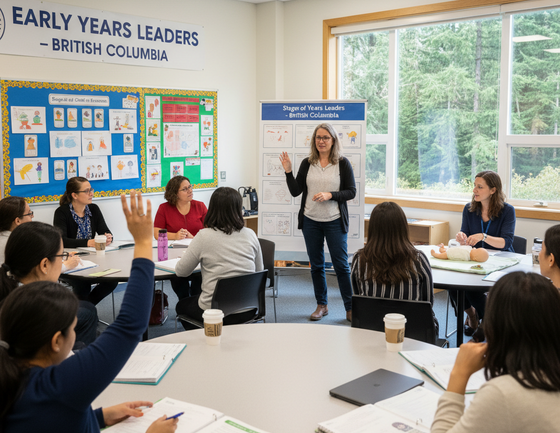
Professional Training and What it Prepares You to Do
In BC, introductory professional development for child care providers typically focuses on two things at the same time:
- Quality care in a home or group setting (child development, daily routines, safety, nutrition, behaviour support)
- The operational side (licensing readiness, policies, documentation, budgeting, communication with families)
The practical outcome is simple: providers finish training with a better chance of having their licensing package, policies, and procedures close to “ready-to-submit” because training often mirrors what licensing expects. Entry pathways often include a family child care course, structured certification such as a responsible adult course or responsible adult course online, and sector training programs like a good beginnings online course or a good beginnings course online BC, which prepare providers for regulated practice and long-term compliance.
What Licensing and Compliance Really Look Like in Daily Practice
The legal and administrative part of child care can feel heavy, but most of it comes down to consistency:
- knowing your maximum capacity and care type
- keeping records that match what you actually provided
- having basic written policies (hours, closures, illness, emergencies, fees)
These standards operate within BC child care regulations, formal child care licensing BC systems, and daycare licensing BC structures that govern both group care and family day care settings. The subsidy system reinforces this. Claims can be reviewed, audited, and verified, and providers are expected to maintain attendance records as supporting documents.
One short list: what “good records” usually include (and why it protects you)
- Arrival/departure times (shows care was provided)
- Absent notes (sick/vacation/other) (important because subsidy generally pays for care provided, with limited exceptions)
- Days claimed vs. days authorized (you can claim up to the authorized maximum, but only for actual care provided)
Child Care Subsidy: How the System Works in Plain Terms
The “How to Claim Child Care Subsidy” guide explains that subsidy is a monthly payment under BC’s Child Care Subsidy framework to help eligible families cover costs. When a family is approved, both the parent and the provider receive a Benefit Plan showing key details like the benefit period, children covered, care codes, maximum days per month, and the amounts that can be claimed. Families often access this system through a child subsidy BC phone number, a verified child subsidy BC contact number, or a general child subsidy phone number provided through provincial service centres.
The Benefit Plan is the document that keeps everyone aligned
The Benefit Plan tells you:
- the eligible time period (start/end dates)
- the care type/care code
- the maximum number of half/full days per month
- the parent portion (what the parent must pay)
- whether there’s a Special Needs Supplement line
If something is wrong on the plan, the guide advises contacting the service centre to correct it before you claim, and submitting updated documentation through official subsidy renewal forms BC where required.
Claiming Rules Providers Get Wrong Most Often
The subsidy guide is very direct on a few points:
- You claim the actual number of days care was provided, up to the maximum authorized.
- If you submit before care is provided and an overpayment occurs, you may need to return it.
- Subsidy generally does not pay for days your facility is closed, except statutory holidays (claimed at the authorized rate).
- If a child is absent due to vacation or illness (child or parent), the ministry may continue paying for up to two weeks, as long as accurate attendance records are maintained.
A clean monthly workflow (provider side)
- Verify the Benefit Plan details (care code, days, dates, parent portion).
- Track attendance daily (present/absent with notes + times).
- Submit one claim form per calendar month, using your supplier number.
- Keep copies of forms and records in case of review/audit.
The guide also notes supplier numbers are required for claiming, and direct deposit is offered and recommended to reduce delays and missing cheques.
Family Health and Early Development: What Belongs in a “Quality Care” Mindset
“Baby’s Best Chance” is written for families, but it’s also a useful quality benchmark for providers because it reinforces what children need most in the earliest years: safety, routines, responsive care, and healthy environments. These principles shape daily care practices, from learning spaces to safe physical environments such as a playpen, and structured developmental routines.
One example of a universal tool mentioned is HealthLink BC (8-1-1), which helps families connect with non-emergency health information and services, including nurses and dietitian services, with translation support.
One short list: what providers can mirror from family-health guidance (without “medicalizing” child care)
- predictable routines (helps emotional regulation and behaviour)
- safe sleep/play environments (risk reduction through consistency)
- supportive communication with parents (early issues get handled sooner)
Alternative Child-Focused Organizations in British Columbia (2026)
Below are organizations operating in BC (with publicly listed addresses). These are useful reference points for families and providers in 2026 – training, professional support, referral help, Indigenous early learning resources, and child/youth advocacy.
Organization | What they help with | Address | Website |
|---|---|---|---|
Westcoast Child Care Resource Centre (Vancouver CCRR) | Child care info, help finding care, subsidy navigation, provider supports, lending library | 2772 E Broadway, Vancouver, BC V5M 1Y8 | wstcoast.org |
Early Childhood Educators of BC (ECEBC) | Professional association: PD, resources, sector initiatives, events | 515 W Pender St, Vancouver, BC V6B 1V5 | ecebc.ca |
BC Aboriginal Child Care Society | Indigenous early learning and child care supports/resources; CCRR-related services | 100 Park Royal South, West Vancouver, BC V7T 1A2 | acc-society.bc.ca |
First Call Child and Youth Advocacy Society | Child/youth advocacy and policy work; public info and updates | 3381 Cambie St, Vancouver, BC V5Z 4R3 | firstcallbc.org |
These organizations function as part of wider family child resources networks and sector infrastructure that support regulated care environments.
Disclaimer:
This publication is an independent, non-commercial educational resource. It has no affiliation, partnership, sponsorship, or formal connection with any child care associations, training organizations, advocacy groups, public institutions, or entities mentioned in this text. All organizations, programs, and resources are referenced strictly for informational and public-interest purposes only. Nothing in this publication should be interpreted as endorsement, approval, representation, certification, or any form of official relationship.